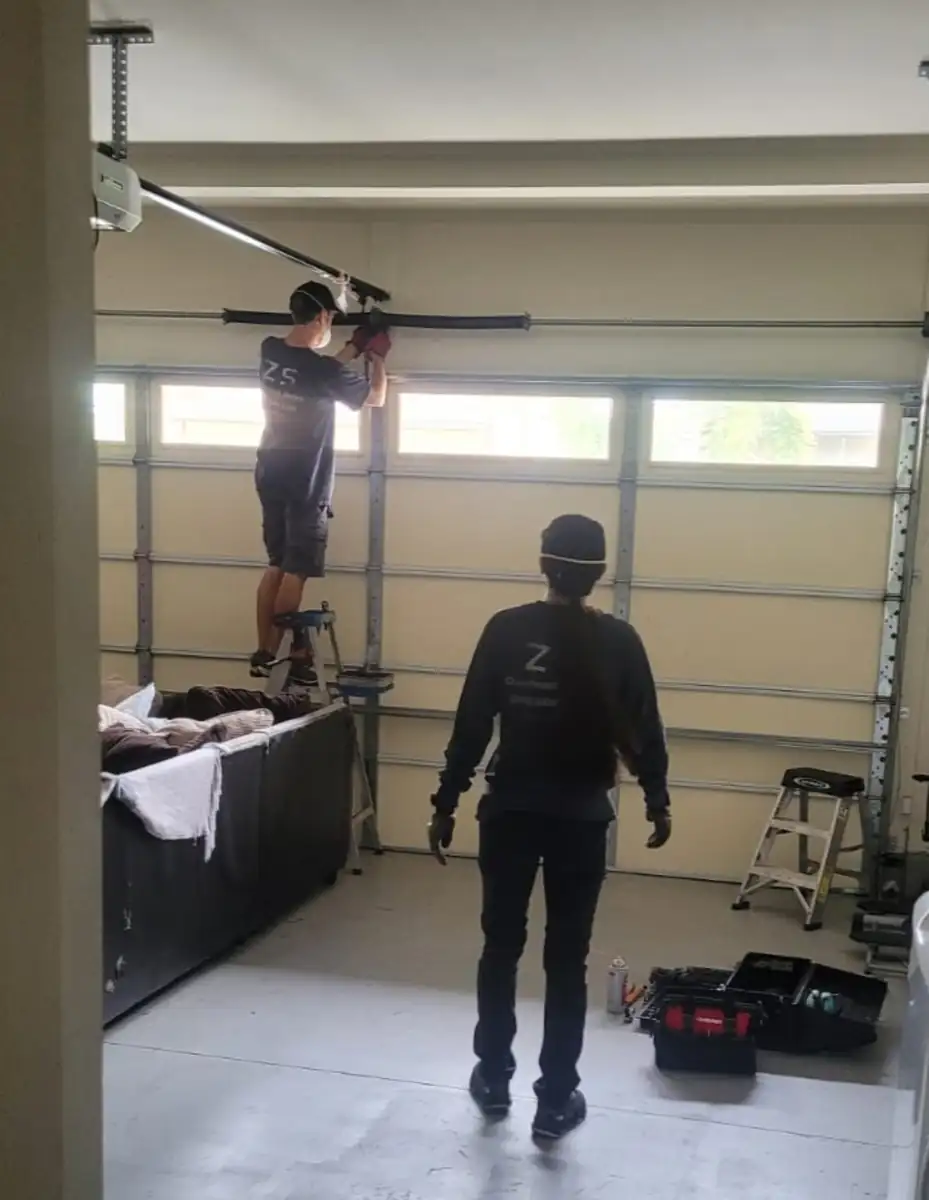
Squeaking, grinding, or a door that shakes the house? A tune-up gets it running quiet and smooth again, and it’s a good chance to catch a worn part before it breaks.
Spray rollers, hinges and springs with a garage door lubricant (silicone or white lithium). Don’t grease the tracks.
Tighten loose hinge bolts on the door panels
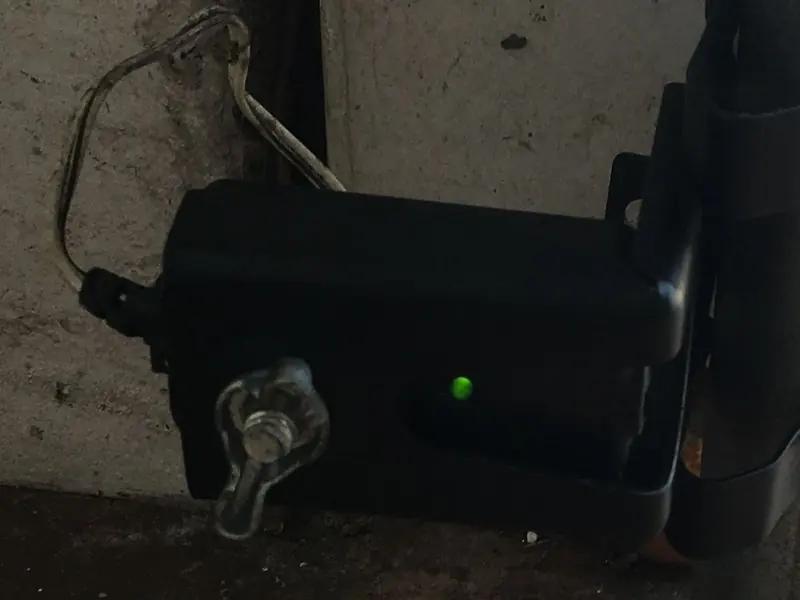
Keep the sensor lenses clean and the area clear
Watch the door move now and then, and listen for new noises
Leave to a pro
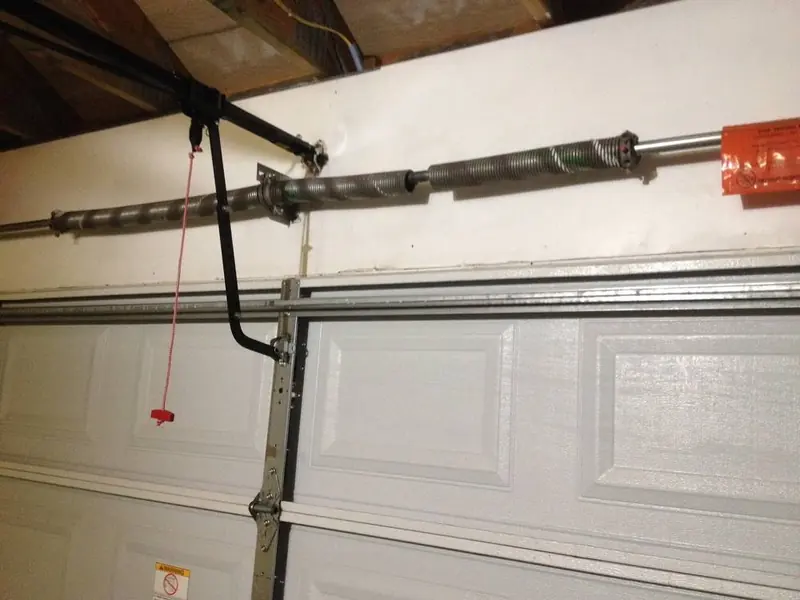
Springs: never adjust or loosen them
Lift cables and the bottom brackets they attach to
Bent tracks or rollers out of the track
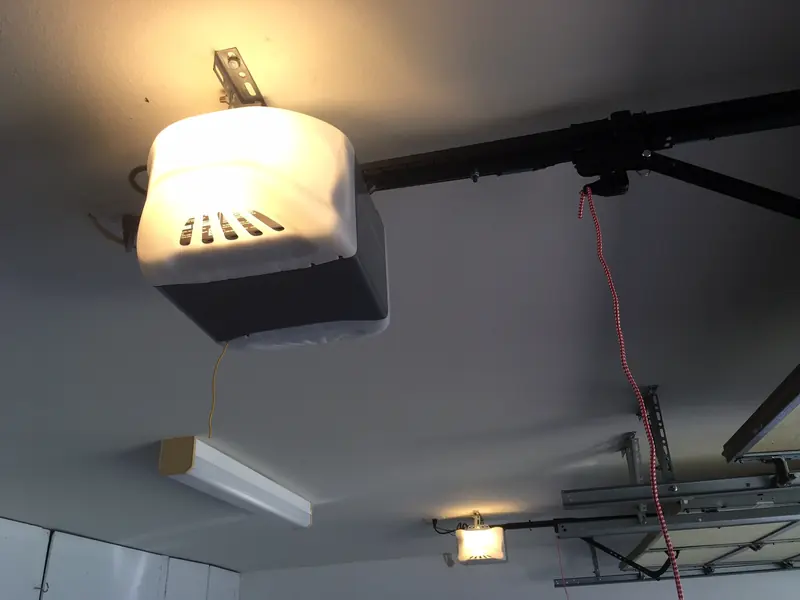
Opener force settings, if you’re not sure what they do
Property managers & Realtors
Getting a home ready to rent or sell?
As licensed contractors, we work with homeowners and with many property management companies and Realtors on Oahu. A quiet, smooth, safe garage door is an easy win before a move-in or showing.
Once a year is a good rule of thumb for most homes. Doors that get heavy daily use, or homes close to the ocean, can benefit from more frequent checks.
Why is my garage door so loud?
Squeaks usually mean dry rollers, hinges or springs. Grinding or rattling can mean worn rollers, loose hardware, or a worn belt, chain or gear in the opener.
What lubricant should I use on my garage door?
A garage door lubricant, either silicone or white lithium, on the rollers, hinges and springs. Don’t grease the tracks.
Can a tune-up fix a jerky or shaky door?
Often, yes. Worn rollers, loose hinges and a door that’s out of balance are common causes. If a part is worn out, we’ll explain your options.
Do you work with property managers and Realtors?
Yes. We work directly with homeowners and with many property management companies and Realtors on Oahu.
Is a tune-up worth it if nothing is broken?
It’s a good way to catch worn rollers, rusty cables or a weak spring before they leave you stuck, and it makes the door quieter.
This page is general information. Every door and opener is different, so if in doubt, leave it to a licensed technician.
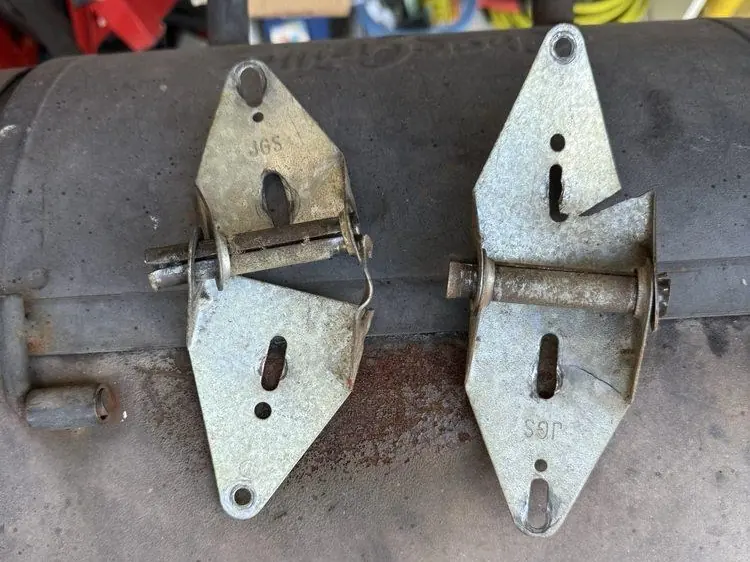 Cracked hinge
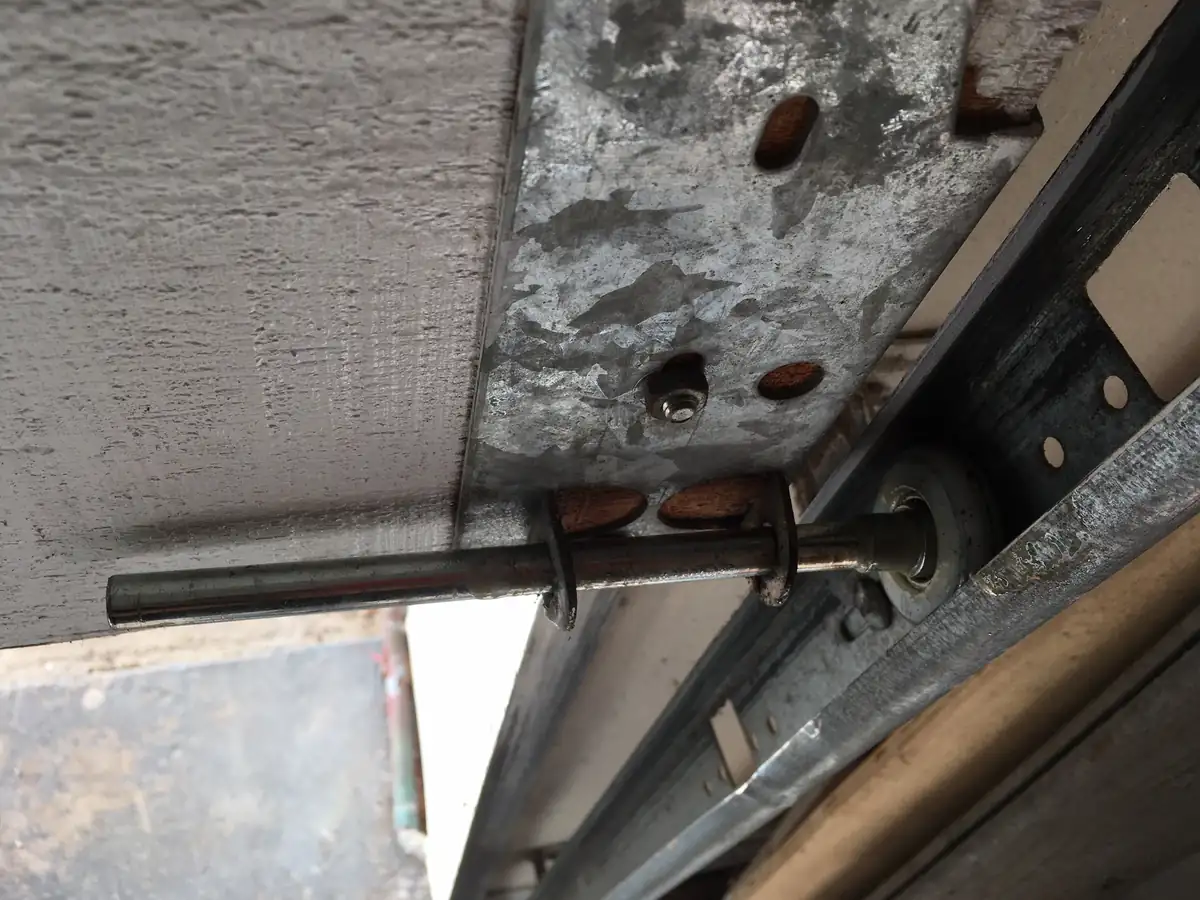 Roller and track